New devices fail for one reason: no plan for week one. This guide covers what to check before you switch on, how a first session runs, the seven-day starting protocol, and the questions new owners ask most.
Before you start: three checks
- Read the contraindications. The manufacturer's manuals list when not to use a therapy device: pregnancy, an implanted pacemaker, acute disorders of cerebral or coronary circulation, individual intolerance to electric current, and a state of acute psychiatric agitation. If any apply, or you have a serious medical condition, ask your doctor first.
- Charge the device fully before the first session.
- Set one realistic goal. "Steadier energy through the afternoon" is a good goal; "fix everything" is not. Frequency work rewards patience and repetition.
Step-by-step setup
- Unbox and charge. Charge fully before the first session. Keep the manufacturer's manual to hand; owners can also find manuals in their web clinic account.
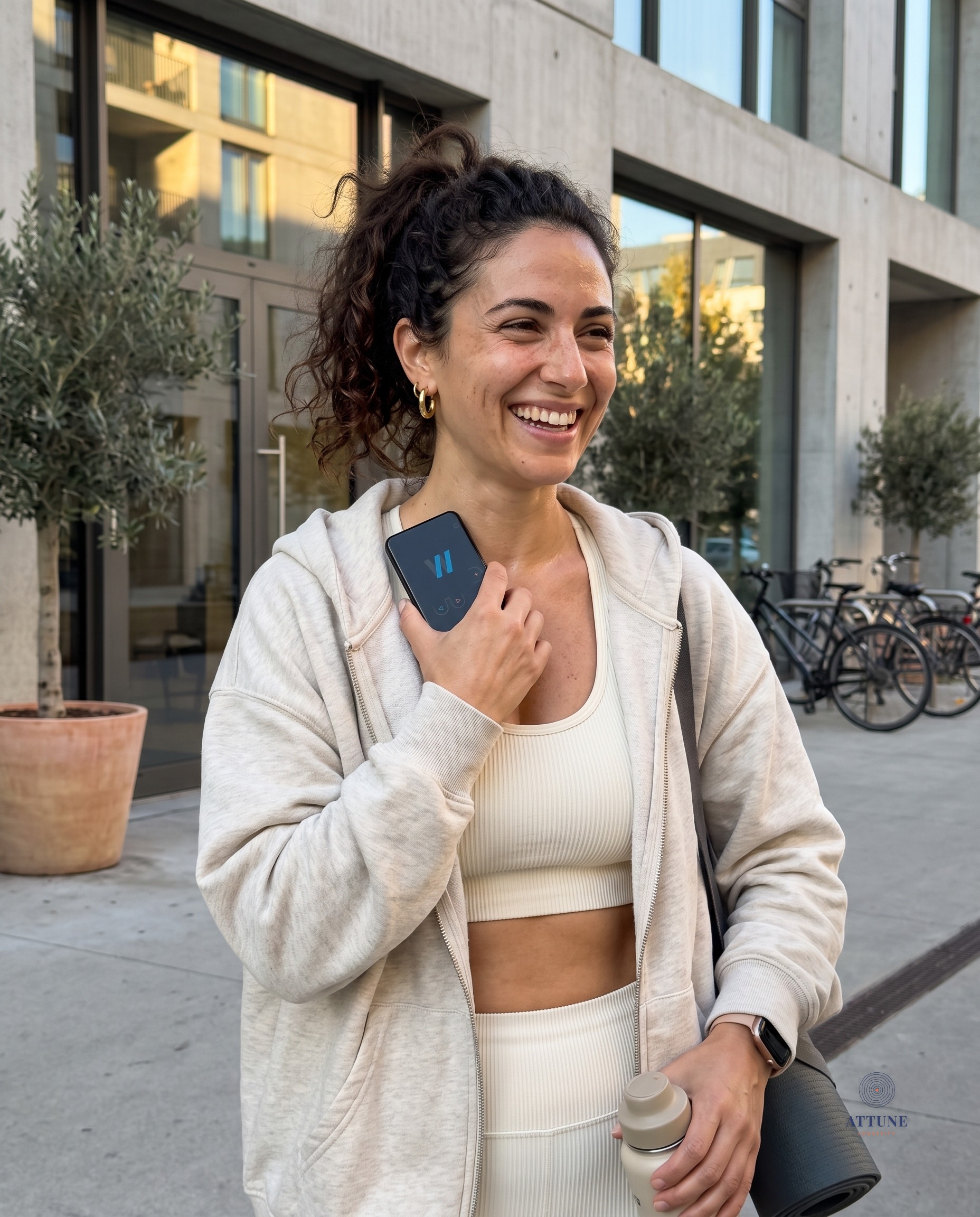
- Find out which type of device you have. A field device such as the Life Balance 2.1 works passively while carried in a pocket or bag. A contact device such as the Life Balance Contact delivers programs through skin-contact electrodes in a seated session. A testing device such as the Life Expert 3 scans through electrodes and cloud software.
- Browse the built-in programs. Every therapy device ships with a built-in program set (for example 71 programs on the Life Balance 1.0 and 300 on the Life Balance 2.1). Pick a harmonising program to begin with.
- Start on the lowest intensity. On the therapy devices, an intensity set too high at close range can irritate the skin, so begin at the lowest level.
- Run your first session. With a field device, carry it through an ordinary morning. With a contact device, sit down and run the program through the electrodes. Expect to feel little or nothing. That is normal and correct, because this is a quiet, cumulative practice, not a sensation.
- Set up the web clinic when you are ready. The web clinic is where the library of 3,000+ ready-made complexes lives and where custom complexes are built and loaded onto the device. How it fits together is explained in the WebWellness system.
If you own a Life Expert 3
Scanning is a different routine from therapy. Preparation decides the quality of the reading, so work through how to prepare for a scan before your first one: hydration, no coffee or strong tea beforehand, all metal off, clean skin at the contact points, and two quiet minutes seated. Aim for identical conditions each time so that scans can be compared.
The seven days
- Day 1: unbox, charge, browse the built-in program list. Run one harmonising program during a normal morning. Expect to feel nothing dramatic, that is normal and correct.
- Days 2-3: same program, same time daily. Anchor it to an existing habit (first coffee, commute, school run). The goal this week is rhythm, not sensation.
- Days 4-5: add an evening calming program as part of winding down.
- Day 6: if web clinic access is set up, choose or build one complex matched to the goal and load it on.
- Day 7: write three lines, sleep, mood, energy. This is your baseline. The comparison with the same three lines later, not any single day, is where the practice becomes visible.
Keeping a routine going
Hold a baseline for weeks, then review and adjust one thing at a time. The three-line note on day 7 is your reference point: repeat it every week or two and compare. Users typically judge the practice by trends over weeks, not by sensations in minutes.
The one mistake to avoid
Program-hopping. Running a different program every day produces nothing measurable and nothing learned. Baseline first, weeks of consistency, then adjust.
Common questions
Will I feel anything during a session?
Usually not, and that is expected. Most users feel nothing during a session. Bioresonance is a quiet, cumulative practice, judged by trends over weeks rather than by sensations in the moment.
Which intensity should I start on?
The lowest level. On the therapy devices, an intensity set too high at close range can irritate the skin. Raise it only gradually, and stop if your skin feels irritated.
Do I need the web clinic to use my device?
No, the built-in programs work on the device itself. The web clinic adds the library of 3,000+ complexes and custom complex building. With a Life Balance it is included, and extra individual programs cost about €0.50 each. A Life Expert scans through cloud software, so it needs active access. Details are in the WebWellness system and buying, shipping & warranty.
Who should not use a therapy device?
The manufacturer's manuals list pregnancy, an implanted pacemaker, acute disorders of cerebral or coronary circulation, individual intolerance to electric current and acute psychiatric agitation. Anyone in those groups, or with a serious medical condition, should ask a doctor first.
Is it fine to switch programs every day?
It is better not to. Program-hopping makes it impossible to tell what is doing what. Choose a baseline, hold it for weeks, then review and adjust.
How should I prepare for a scan?
Normal hydration, no coffee or strong tea right before, all metal off, a phone set aside, and two quiet minutes seated. Use the same preparation every time so scans stay comparable. The full checklist is in how to prepare for a scan.
Choosing or comparing devices
Still deciding? See the Life Balance 2.1, the Life Balance 2.1 NEW, the Life Balance Contact and the Life Expert 3, or take the 60-second quiz.
When support helps
Every ATTUNE order includes a guided start and the English learning materials, so you are using the device in week one. Faults, repairs and warranty go to the manufacturer; medical questions go to your doctor. Owners of devices bought elsewhere can find the manufacturer's manuals in their web clinic account.