Blog · Low Tox Living: Real Swaps That Actually Matter…
Low tox living got loud on social media and quiet in real houses. The actual 2026 version of it looks less like throwing everything out and more like a handful of swaps that stay, because they work as well or better than what they replaced.
Not zero exposure, that is not possible and chasing it is its own kind of stress. The realistic version is control over what enters the home by default: fewer synthetic fragrances and preservatives in the products used daily, plainer labels, less impulse buying. It is quieter than the trend's early years, refilling bottles and buying fewer things once, rather than replacing an entire cupboard in a weekend.
Conventional fragrance is the swap almost nobody names, because "perfume" does not sound like a chemical product. It is one, and the label almost never says so.
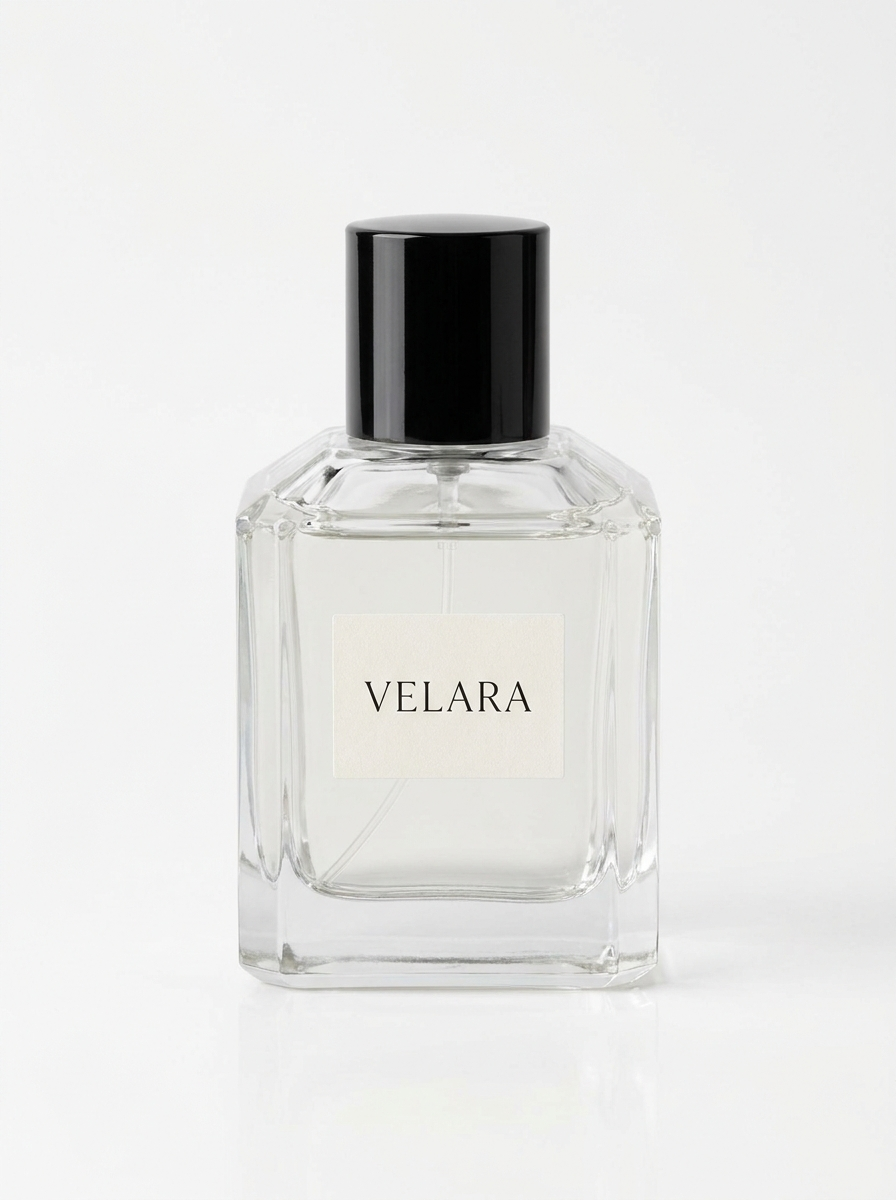
Conventional fragrance
The blend is protected as a trade secret. Nothing on this label tells you what is actually inside it.
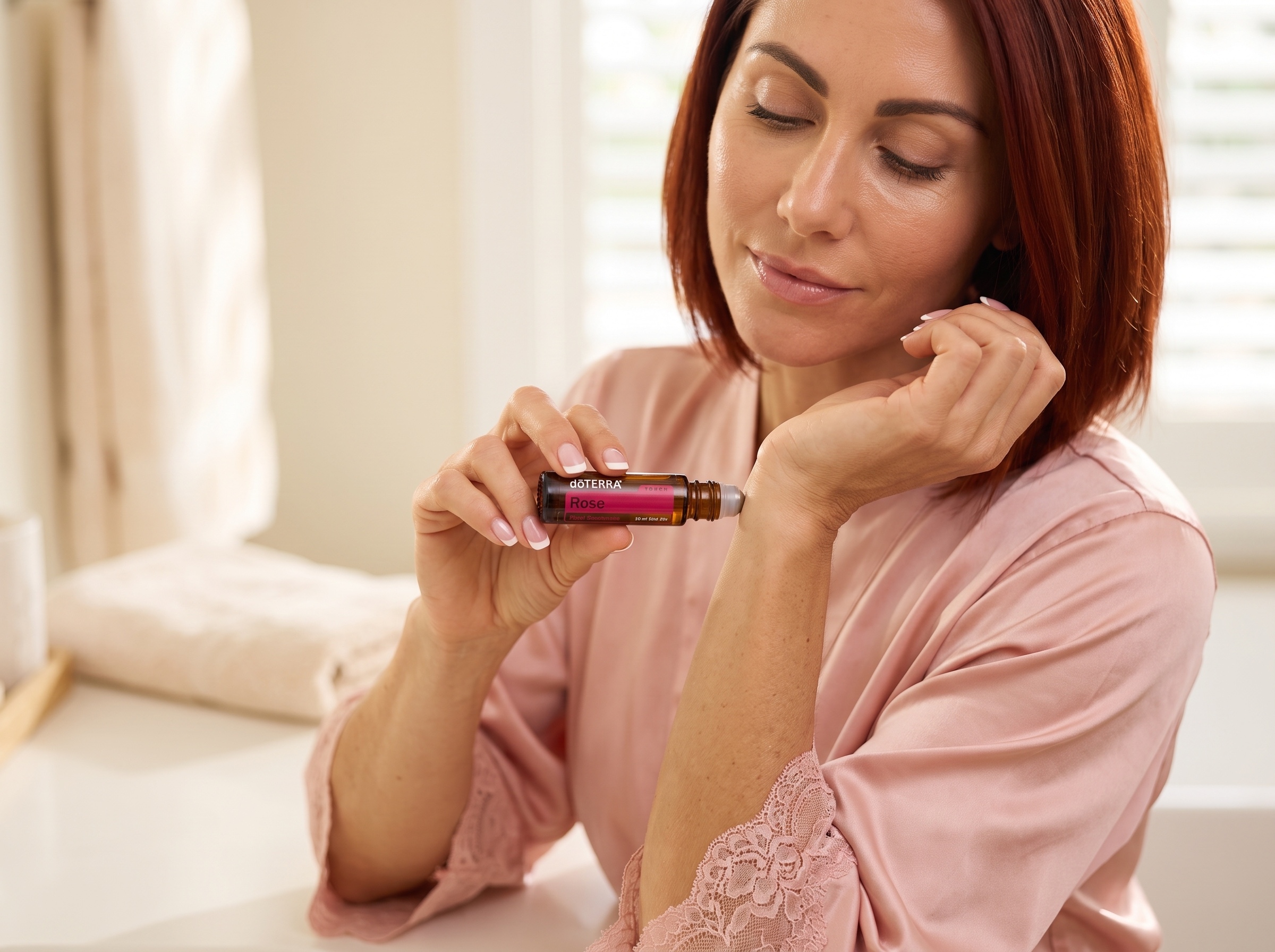
A single CPTG oil
Whole-plant, third-party tested for purity and potency, no synthetic fixative needed to carry the scent.
The part nobody disputes
You cannot verify what is in your perfume. Not as an opinion, as how the law is written. In most markets a company can print the single word "fragrance" or "parfum" on a bottle and keep the formula a trade secret. In the EU the known fragrance allergens must be named individually, but the blend itself never has to be. Not a loophole a careless brand slipped through; the standard, for every conventional fragrance on the shelf.
So researchers went and checked anyway. Independent testing that looked past the label has repeatedly found synthetic fixatives such as diethyl phthalate in fragrance and perfume, added to make scent last longer, and fragrance mixes are the most common cause of skin reactions to cosmetics, which is exactly why the EU makes brands name the known allergens.
A single essential oil is one thing you can name, from a plant you can name, tested for purity. That is the actual comparison, not "natural versus chemical," but "a named ingredient versus a legally protected blank."
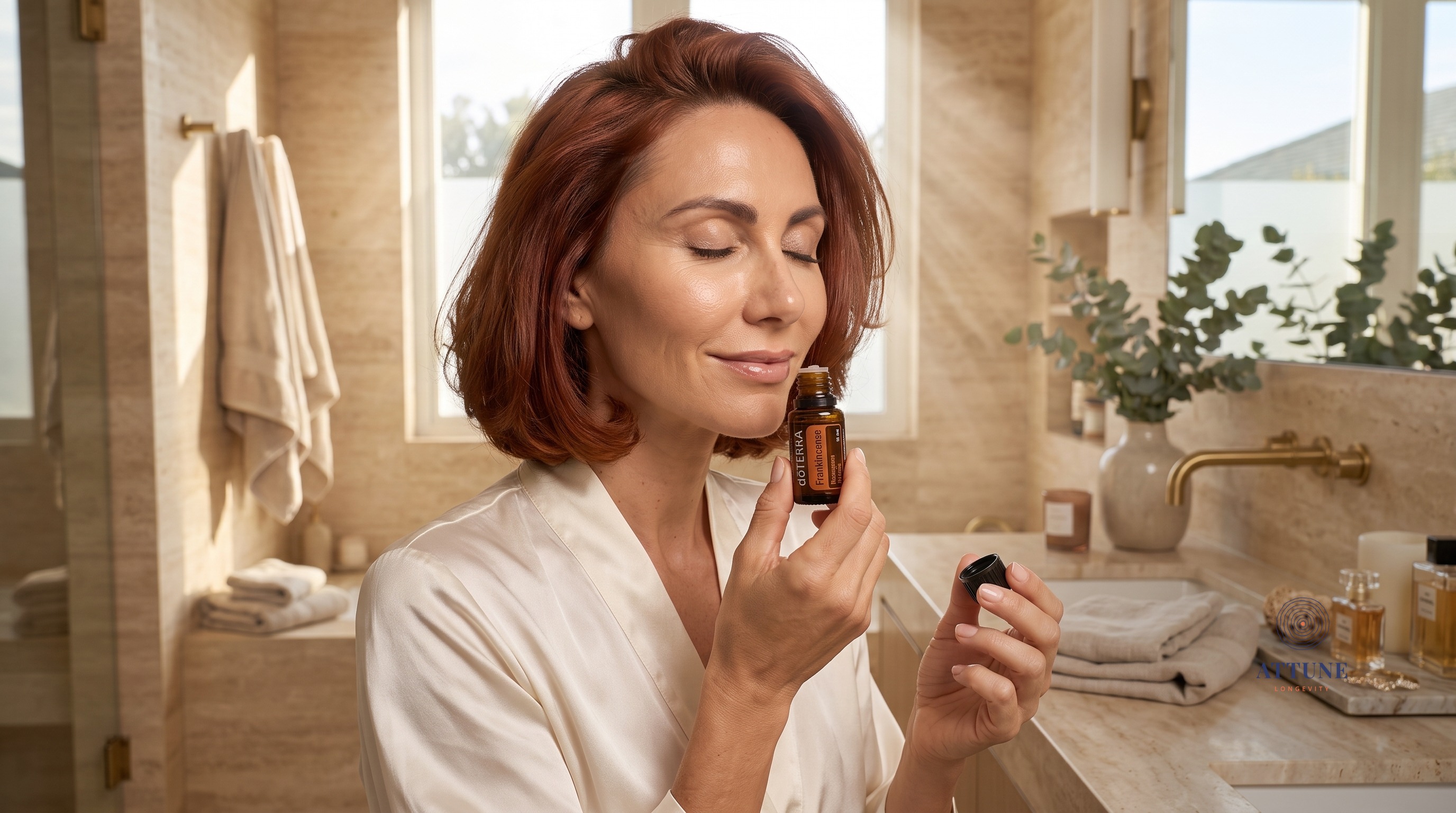
A pure oil applied directly is also a different kind of ritual, not a cloud sprayed on to be noticed from across a room, a small amount worn close enough that it is really only for the wearer. People who make this swap often describe it less as a scent change and more as a mood one, a moment reclaimed rather than masked, some describe it as raising the moment's energy rather than covering it up. That is how it feels to wear it. What is verifiable is simpler and just as compelling: a named ingredient instead of a legally blank label.
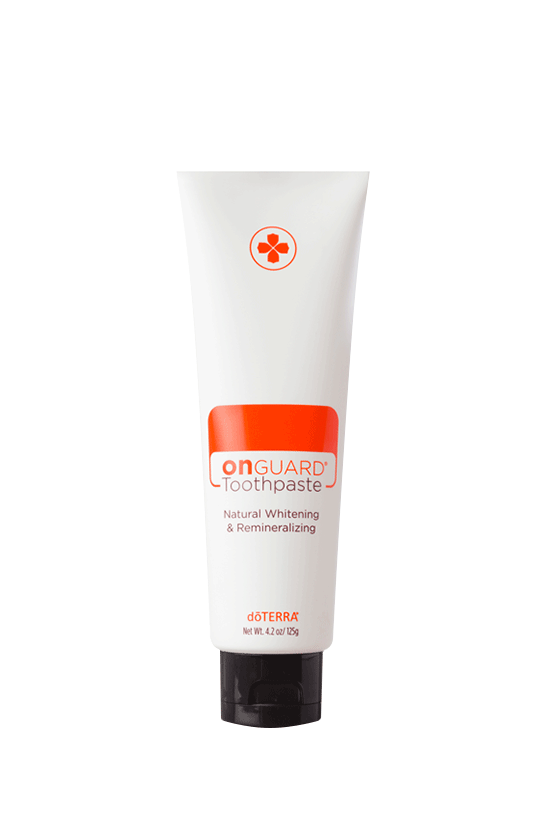
On Guard Natural Whitening Toothpaste is the specific product most people mean when they ask about a fluoride-free option, so it is worth listing exactly what is and is not in the tube rather than a general gesture toward "natural." It contains no fluoride, no sodium lauryl sulfate (SLS), no saccharin, aspartame or sucralose, no titanium dioxide, and no artificial colors or flavors. In place of that, it is sweetened with xylitol and includes hydroxyapatite, an ingredient some research points to as supportive for enamel, alongside the On Guard essential oil blend (Wild Orange, Clove, Cinnamon Bark, Eucalyptus and Rosemary) for its flavor, described by doTERRA as a cinnamon-mint taste from the added peppermint and wintergreen. None of this is a claim that it treats, whitens beyond normal brushing, or replaces a dentist's guidance, it is simply an accurate ingredient comparison against a conventional tube.
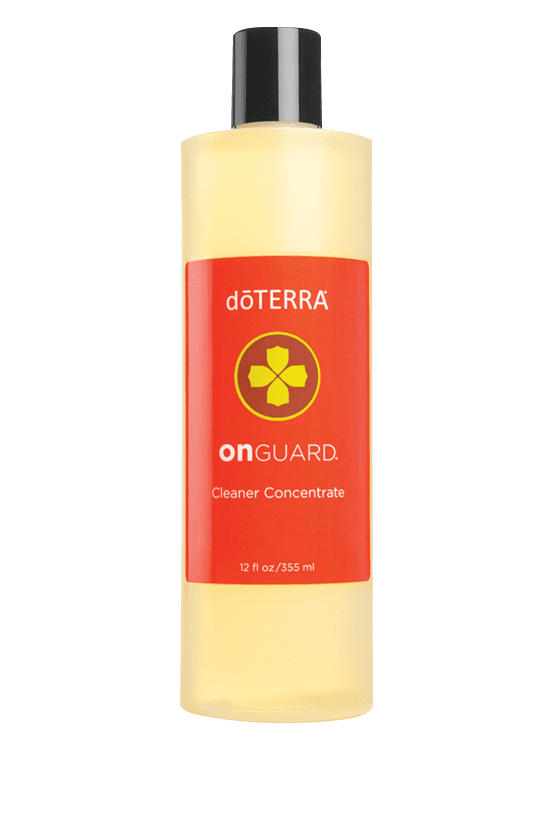
On Guard Cleaner Concentrate is the household-cleaning equivalent. It is built around the same On Guard blend, uses plant-based surfactants, contains no preservatives, and is biodegradable. It ships as a concentrate, two tablespoons per 24 ounces of water for general multi-purpose cleaning, three tablespoons per 24 ounces for bathrooms, so one 12 fl oz bottle covers a genuinely large number of refills rather than being used at full strength once and discarded.
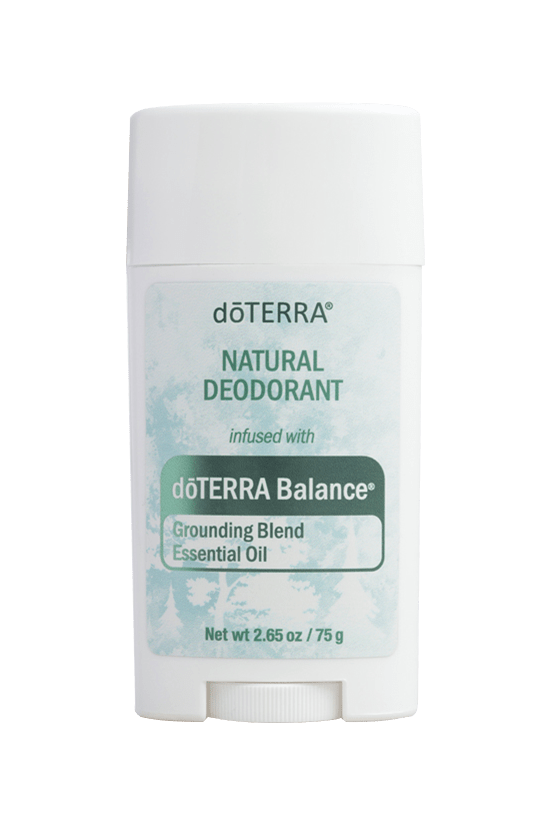
Natural Deodorant, infused with doTERRA Balance. Free of aluminum, parabens, phthalates and talc, uses tapioca to absorb moisture.
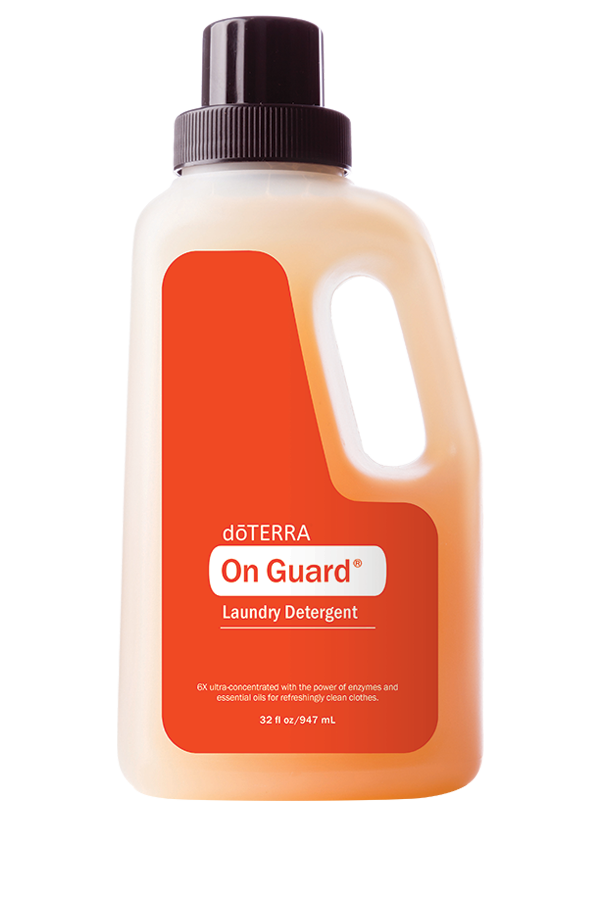
On Guard Laundry Detergent, a 6X ultra-concentrated formula with bio-originated enzymes. Free of synthetic fragrance and dyes, one bottle covers up to 64 loads.
Deodorant and laundry detergent round out the swaps that actually touch the body and the home most often, alongside the toothpaste and cleaner above. All four are genuinely usable replacements for products already bought regularly, not novelty items that sit unused in a cupboard.
The wider oils shelf works the same way: whole-plant ingredients in place of synthetic fragrance in a diffuser, a CPTG-tested oil in place of a synthetic-fragrance lotion, a drop of a culinary oil in a dressing instead of a bottled one with stabilizers. None of this is a claim that any of it treats or cures anything, it is a claim about ingredient lists, not outcomes.
Not everything at once. Pick the one product used most often, the toothpaste or the household cleaner are usually it, and change that first. A full-cupboard replacement in one weekend is expensive and rarely sticks. A single swap that becomes permanent is worth more than ten that get abandoned in a month.
Enrolling through ATTUNE unlocks wholesale pricing, about 25% below retail, on everything above. Beyond that, an optional monthly loyalty order returns points on every purchase, points you spend on other products (they expire after twelve months). Buying an enrollment kit is simply the easiest way to enrol, since it folds the enrollment step into a purchase you would likely make anyway. What to order, a kit or a single product, is a household's own call. The oils shelf and a real person by email are there for the specifics.
Your next step
Whole-plant ingredients, wholesale pricing, and a real person to ask before you order.
See the oils shelf Ask by emailNot medical advice · wellness technology, not a diagnosis
Before you go
47 organs and systems, parasites, toxins, biological age, and more. The real report a Life Expert 3 produces, sent straight to your inbox.