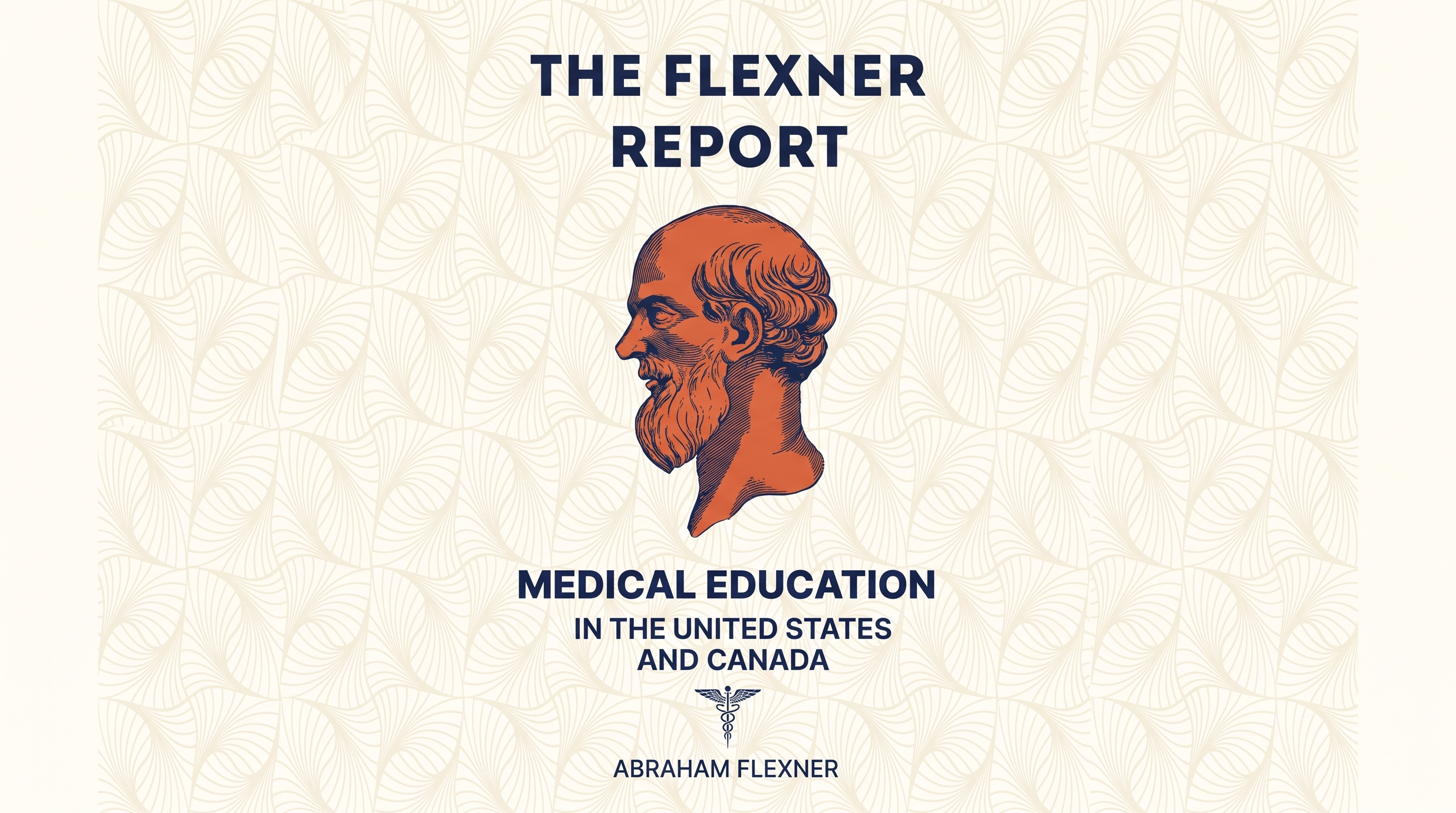
Blog · The Flexner Report: How American Medicine Left H…
Before 1910, American medicine looked very different. Herbal, homeopathic and eclectic medical schools trained a meaningful share of the country's doctors, alongside the lab-based schools we would recognise today. Within two decades, most of them were gone. Here is the real, documented history, not the version that gets simplified into a slogan.
In 1910, the Carnegie Foundation commissioned an educator named Abraham Flexner, who was not a doctor, to evaluate 155 medical schools across the United States and Canada. His report, Medical Education in the United States and Canada, judged schools against a single standard: laboratory science modelled on elite European universities. Schools that did not fit that model, including most of the country's herbal, homeopathic and eclectic medical schools, were marked substandard.
The report alone did not close those schools. What followed did: John D. Rockefeller's philanthropic foundations funded the implementation of Flexner's recommendations at scale, channelling large sums into schools that adopted the lab-based model while withdrawing support from schools that did not. Within roughly two decades, more than half of all medical schools in the US had closed, and the ones teaching plant-based and homeopathic medicine were hit hardest. American medicine consolidated around the model that still defines it today.
The facts above are documented in peer-reviewed medical history, not just wellness blogs, and worth reading directly rather than taking on faith from any single source. What historians do not agree on is intent: some of the schools Flexner flagged genuinely had no laboratories, no admission standards and no business training doctors, and closing them arguably protected patients. Whether the wider campaign was a deliberate effort to eliminate plant-based medicine specifically, as opposed to a byproduct of standardising around one model, is a real historical debate, not a settled conspiracy. This site is not going to pretend that debate is more settled than it is.
It matters because it explains something people notice without knowing why: that whole-plant, kitchen-level ingredient knowledge, the kind every household once had as a matter of course, largely disappeared from mainstream medical training for most of the last century. It did not disappear because it was disproven. It disappeared because the institutions that taught it lost their funding and their accreditation in a single, fast, top-down consolidation. That is a fact about institutions, not a verdict on the ingredients themselves.
It is also, at least in part, why interest in whole-plant, minimally processed ingredients is genuinely rising again, in kitchens more than in clinics. Nothing here is a claim that plant oils treat, cure or replace anything a doctor does. It is a claim about where a piece of everyday knowledge went, and why bringing pure, well-tested plant ingredients back into an ordinary kitchen is a return to something older than the last hundred years, not a rejection of medicine.
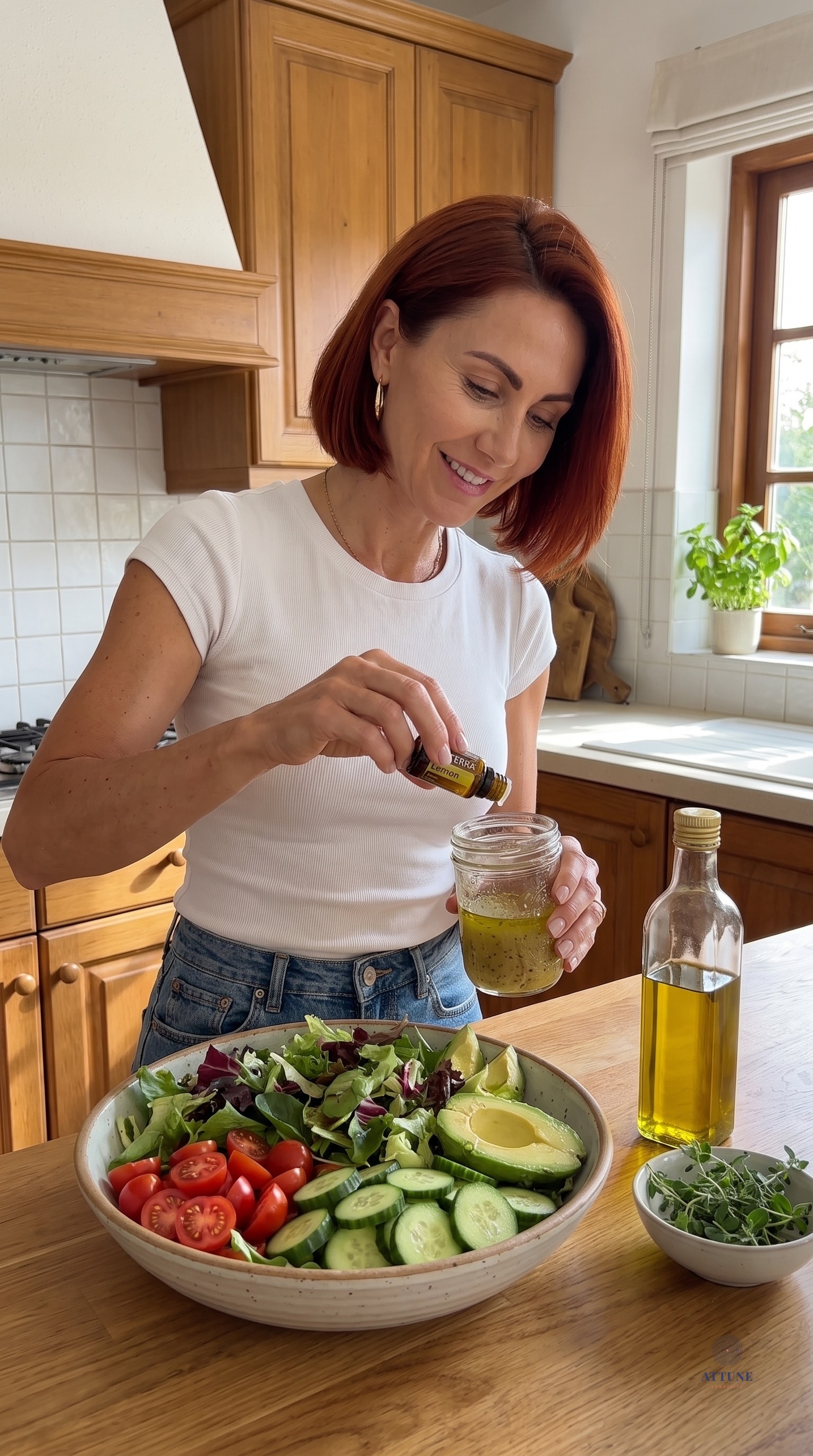
This is why the oils shelf exists in the shape it does: whole-plant ingredients, CPTG-tested for purity, used the way households used them before synthetic isolates existed, in cooking, in skincare, in a diffuser. Not a treatment claim. A kitchen practice, done properly.
The Flexner Report and its funding are documented in peer-reviewed medical history, including "The Flexner Report, 100 Years Later" and a 2025 review of Rockefeller, the Flexner Report and the AMA, both in PMC, and in the Rockefeller Archive Center's own account of the era.
Your next step
Whole-plant ingredients, wholesale pricing, and a real person to ask before you order.
See the oils shelf Ask by emailNot medical advice · wellness technology, not a diagnosis
Before you go
47 organs and systems, parasites, toxins, biological age, and more. The real report a Life Expert 3 produces, sent straight to your inbox.